
The Quiet Distinction Between Oil Portrait Artists
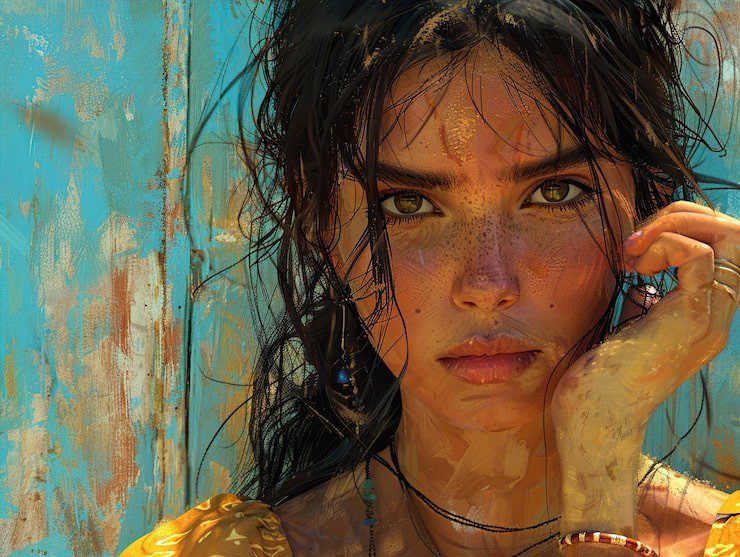
Not every portrait artist paints by hand. This distinction matters. Oil portrait artists vary widely in process, even when their finished pieces look similar in photos online.
I’m Sarah Musumeci, and here’s what I think is worth asking before you commission anyone, regardless of which studio you choose.
These questions apply whether you’re considering my studio or someone else entirely. The answers matter more than any single image on a website.
What’s Ahead
- What I Wish More Clients Asked Me First
- Two Very Different Approaches to Oil Portraiture
- What a Hand Painted Oil Portrait Involves
- What Fifteen Years in This Studio Has Taught Me
- The Materials Behind a Piece Built to Last
- Questions Worth Asking Before You Commit
What I Wish More Clients Asked Me First
Anyone can post ten beautiful images online, but fewer people stop to ask how each piece was really made. That question is where the real difference shows up, long before you ever see a finished piece.
Two Very Different Approaches to Oil Portraiture
Some oil portrait artists paint entirely from a blank canvas, using a photo only as a loose guide. Others, myself included, start with a real photography session instead, and paint gets applied by hand afterward, directly over a fine art print.
Neither approach is wrong. They simply solve very different problems for very different clients.
What a Hand Painted Oil Portrait Involves
A hand painted oil portrait starts with a directed session, not a blank canvas guess. Oil paint, gels, and visible brush strokes get applied over a Giclee print on fine art canvas paper.
The likeness stays locked in from the very start, and the texture comes entirely from the paint layered on top of it.
What Fifteen Years in This Studio Has Taught Me
Fifteen years in this studio changes how you direct a session. I’ve spoken at more than forty camera clubs across New England and New York, and presented at the NECCC and PSA conventions as well.
That kind of exposure sharpens technique in ways working completely alone never quite forces. Mistakes get noticed early, and feedback gets absorbed and applied to the next piece.
The Materials Behind a Piece Built to Last
Paint alone isn’t enough to make a piece last. Every finished piece I create gets mounted on masonite board, then sealed with lacquer for protection.
That combination is what keeps a piece from warping or fading for decades on a wall. It’s a small detail most clients never think to ask about, until years later when it matters most.
How a Commission Works
The process moves through a consistent rhythm, start to finish.
- Consultation: we talk through wardrobe, setting, and finish preferences.
- Studio session: a real, directed photography session becomes the true reference.
- Image selection: we review the strongest frame together and choose one.
- Hand finishing: oil paint and brushwork get applied by hand, layer by layer.
- Delivery: the finished piece arrives mounted, sealed, and ready to hang.
None of these steps get rushed. Especially the hand finishing, which simply takes the time it takes.
Questions Worth Asking Before You Commit
- Is the piece built from a real session, or a blank canvas guess?
- What percentage of the finished piece is hand painted?
- What is the piece mounted and sealed with?
- Can previous finished work be seen in person, not just online?
Frequently Asked Questions
What is the difference between a photograph and a hand painted oil portrait?
A photograph is printed exactly as captured. A hand painted oil portrait has paint and brushwork applied by hand afterward, adding real texture and visible depth.
Do you paint entirely from a blank canvas?
No. Every piece starts with a real, directed photography session first. Paint gets applied over that image by hand afterward.
How long does a finished piece take?
Hand painting takes real time. Brushwork gets applied individually, piece by piece. Expect several weeks between the session and a finished, painted piece.
Do you work with clients outside North Andover?
Yes. Clients travel from across the Merrimack Valley and beyond for a session. The studio itself is based on Main Street in North Andover.
What should I look for in a portfolio besides the finished images?
Ask about the process behind each piece. How the reference photo was captured, and what portion was hand painted by brush.
The Process Speaks First
The best oil portraits rarely announce themselves with the word professional. The process speaks first instead, visible in the brushwork, the materials, and the years spent quietly refining both.
That’s what I’ve spent fifteen years building toward, one commissioned piece at a time.